 info@yousantape.com
 +86-19168575370
 English
 Arabic
 Bengali
 Chinese (Simplified)
 Dutch
Dutch French
 German
 Hindi
Hindi Indonesian
 Italian
 Portuguese
 Russian
 Spanish
 Thai
Thai Vietnamese


Acrylic vs Silicone vs UV Adhesive Tape: How to Choose the Right One
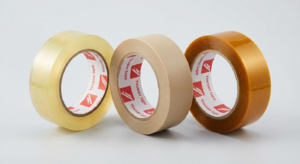
Choosing the wrong adhesive tape can lead to costly failures—whether in industrial manufacturing, electronics assembly, or even DIY projects.
With so many options on the market, most applications actually rely on three major adhesive systems:
acrylic tape, silicone tape, and UV-curable adhesive tape.
While they all provide bonding, their performance, durability, and ideal applications are completely different.
In this guide, we’ll break down the differences and help you choose the right adhesive tape for your needs.
1. What Are the Main Types of Adhesive Tape?
Understanding how each tape works is the key to making the right choice.
Acrylic Adhesive Tape (Best All-Around Performance)
Acrylic tape is a pressure-sensitive adhesive (PSA) based on acrylic polymers.
It bonds through viscoelastic properties, forming strong adhesion under pressure.
Key Features:
Excellent long-term bonding strength
Good weather and UV resistance
Available in foam form for gap filling
Common Applications:
Automotive trim and emblem bonding
Construction and curtain walls
Electronics assembly
If you’re looking for the best adhesive tape for general use, acrylic tape is often the top choice.
Silicone Adhesive Tape (For Extreme Conditions)
Silicone tape uses a silicone rubber adhesive, known for its thermal stability and chemical resistance.
Key Features:
Wide temperature range (-60°C to 260°C)
Excellent flexibility (up to 800% elongation)
Works on low surface energy materials
Best Uses:
High-temperature masking (powder coating, painting)
Silicone-to-silicone bonding
Electrical insulation and battery applications
Ideal when standard tapes fail on heat or difficult surfaces.
UV-Curable Adhesive Tape (For Precision & Speed)
UV adhesive tape cures when exposed to ultraviolet light, allowing fast and controlled bonding.
Key Features:
Instant curing within seconds
High transparency (ideal for optical use)
Strong bonding strength (15–20 MPa)
Typical Applications:
Smartphone and display assembly
Glass and optical bonding
Waterproof sealing (IP68 devices)
Best choice for high-speed production and precision applications.
2. Acrylic vs Silicone vs UV Tape: Key Differences
| Feature | Acrylic Tape | Silicone Tape | UV Tape |
|---|---|---|---|
| Strength | High (after 72h cure) | Medium | Very high (instant) |
| Temperature Range | -20°C to 80°C | -60°C to 260°C | -40°C to 100°C |
| Flexibility | Moderate | Excellent | Low after curing |
| Curing Speed | Medium | Medium | Very fast |
| Best Application | Structural bonding | Extreme environments | Precision assembly |
3. How to Choose the Right Adhesive Tape
Here’s a simple way to decide:
Choose Acrylic Tape if:
You need strong, durable bonding
You want weather resistance
You need shock absorption or gap filling
Choose Silicone Tape if:
You need high-temperature resistance
You’re bonding silicone or low-energy materials
You require clean removal without residue
Choose UV Adhesive Tape if:
You need fast curing
You want transparent bonding
You work in electronics or optical applications
4. Final Thoughts
There is no “one-size-fits-all” adhesive tape.
Each type serves a specific purpose:
Acrylic = balanced performance
Silicone = extreme conditions
UV = speed and precision
Choosing the right tape means understanding your application—not guessing.


